How to Spot Roof Damage Before It Gets Worse
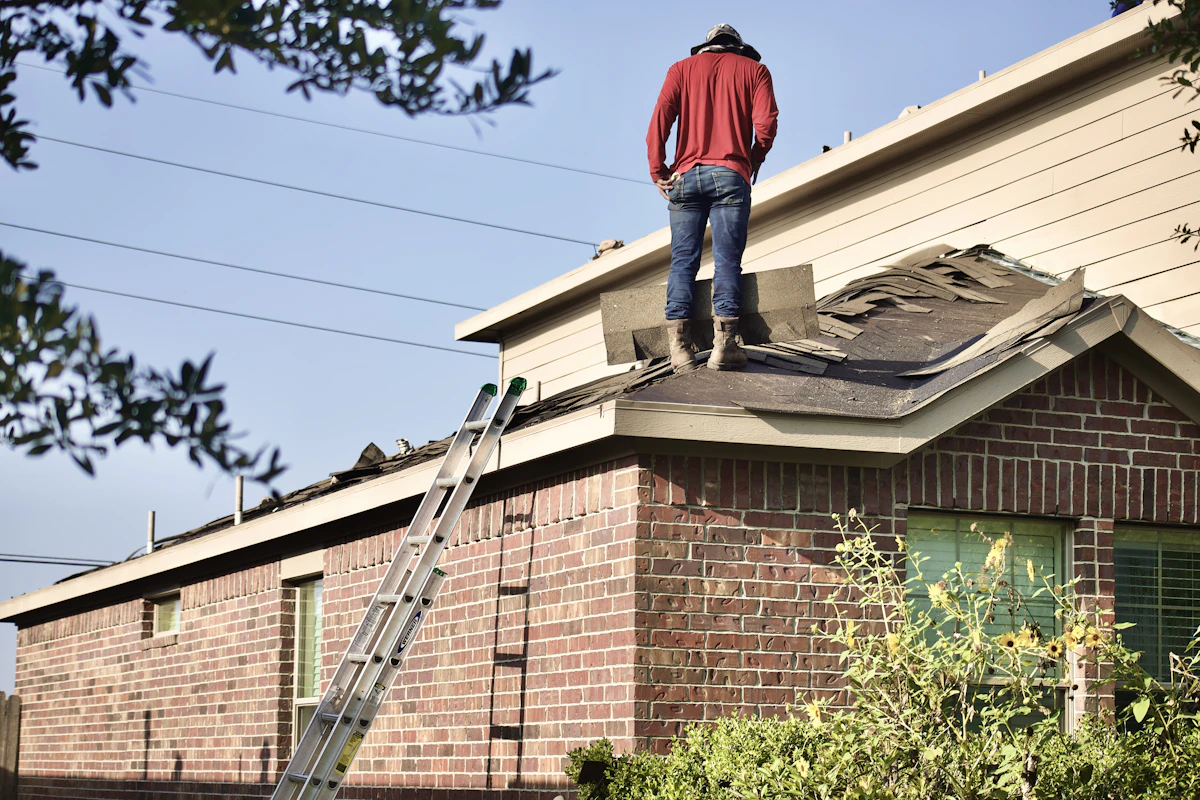
Roof damage often starts quietly. A lifted shingle, failed flashing joint, blocked drain, or small puncture may not cause an obvious leak on the first rainy day. Over time, however, moisture can reach the roof deck, insulation, ceilings, and interior finishes. Knowing what to look for helps homeowners respond before a manageable repair becomes a larger construction problem.
This guide explains practical warning signs for asphalt shingle and low-slope roofs, what you can check safely from the ground or attic, and when to request a professional inspection. It is especially useful for properties across New Jersey, New York, and Pennsylvania, where wind, heavy rain, snow, ice, summer heat, and freeze-thaw cycles can all stress a roofing system.
Quick Roof Damage Checklist
Start with a simple visual review. You do not need to climb onto the roof to identify many common problems. From a safe location, look for:
- Missing, lifted, cracked, curled, or visibly displaced shingles
- Loose metal flashing around chimneys, walls, skylights, and roof penetrations
- Dark ceiling stains, peeling paint, bubbling drywall, or damp insulation
- Granules collecting in gutters or at downspout outlets
- Sagging or uneven sections along the roof plane or roof deck
- Damaged gutters, blocked drains, or water spilling where it should not
- Tree branches touching or scraping the roof
- Recurring musty odors in upper rooms or the attic
One symptom does not always prove that the roof has failed. It does mean the area deserves closer attention, especially if the condition appeared after severe weather or is getting worse.
Exterior Signs of Roof Damage
Missing, Lifted, or Damaged Shingles
Shingles form a layered water-shedding surface. When wind lifts an edge, breaks a seal, or removes a shingle, the underlayment and fastener areas become more exposed. From the ground, compare the roof slopes and look for patches that appear uneven, unusually dark, or different in texture. Cracks, curled corners, and displaced tabs can also indicate wear or storm damage.
Do not assume that a roof is fine simply because no shingle is lying in the yard. Wind damage can loosen seals without completely removing the material. A professional providing roof repair services can inspect questionable areas and determine whether a localized repair is appropriate.
Granules in Gutters and Downspouts
Asphalt shingles use mineral granules to help protect the asphalt layer from sunlight and weather. Some loose granules can appear after installation or routine aging. A sudden increase, bare-looking patches, or heavy accumulation after a storm may deserve inspection. Compare different downspout outlets if possible, because concentrated loss from one roof slope can help identify the affected area.
Flashing and Sealant Problems
Many leaks begin at transitions rather than in the open field of the roof. Flashing directs water around chimneys, sidewalls, valleys, skylights, vents, and plumbing penetrations. Watch for bent or missing metal, gaps, corrosion, cracked sealant, or materials pulling away from a wall. Caulk alone is not always a durable substitute for correctly installed flashing, so repeated patching in the same location should be evaluated carefully.
Sagging or an Uneven Roofline
A visible dip, wave, or sag may relate to roof decking, framing, moisture, or an older installation. This is more serious than a cosmetic color variation. Keep people away from the affected area, avoid adding loads, and arrange an assessment promptly. If active movement, collapse risk, or major structural damage is suspected, leave the unsafe area and contact the appropriate emergency services.
Interior Warning Signs You Should Not Ignore
The first visible evidence of a roofing problem may appear indoors. Check ceilings and the upper portions of exterior walls for yellow-brown rings, fresh discoloration, peeling paint, softened drywall, or drips. Remember that water can travel along decking, rafters, pipes, or wiring before it becomes visible, so the interior stain may not sit directly below the entry point.
If the attic is safely accessible, inspect it during daylight and again after rain. Use a flashlight and stay on secure walking surfaces. Look for darkened wood, damp insulation, rusty fasteners, water trails, mold-like growth, or daylight around penetrations. Do not touch wet electrical components, and do not step between framing members where you could fall through the ceiling.
A musty smell can be another clue, particularly when it is strongest after wet weather. Moisture may also reduce the effectiveness of insulation. Drying the visible area without correcting the roof entry point will not solve the underlying problem.
What Storm Damage Can Look Like
After high winds, hail, heavy rain, snow, or falling branches, inspect the property from the ground as soon as conditions are safe. Wind may disturb shingles and flashing. Hail or debris may leave dents, fractures, or impact marks. Heavy snow and ice can expose drainage weaknesses, while tree limbs can puncture roofing or damage gutters.
- Photograph visible damage from a safe location.
- Protect interior belongings from active water without entering an unsafe area.
- Record when the storm and leak occurred.
- Avoid permanent do-it-yourself repairs before the roof has been properly evaluated.
- Review your insurance policy and contact your insurer if the event may be covered.
Never walk on a wet, icy, steep, or visibly damaged roof. Besides the fall hazard, foot traffic can disturb already weakened materials and make later diagnosis harder.
Shingle Roof and Flat Roof Problems Are Different
On a shingle roof, common concerns include lifted tabs, broken shingles, exposed fasteners, damaged valleys, and flashing failures. Material selection, slope, ventilation, and installation details all affect performance. Learn more about available shingle roofing systems if widespread wear suggests that a larger project may be needed.
Low-slope and flat roofs rely on membranes, seams, penetrations, edge details, and working drainage. Warning signs can include open seams, blisters, punctures, deteriorated flashing, clogged drains, and persistent ponding. Water that remains after surrounding areas have dried should be investigated rather than treated as a normal condition. Our flat roofing overview explains common system options for residential and commercial properties.
If you are comparing systems for a future project, read our guide to flat roofs versus shingle roofs.
When a Repair May Be Enough
A targeted repair may make sense when damage is limited to a small, identifiable area and the surrounding roof remains serviceable. Examples can include a few displaced shingles, a repairable flashing detail, or damage around one penetration. The contractor should still inspect nearby materials and the underlying deck where accessible, because the visible defect may not reveal the full moisture path.
Repeated leaks, widespread material deterioration, soft decking, multiple failing details, or damage across several slopes may point toward a broader solution. Roof age can provide context, but age alone should not decide the outcome. Installation quality, ventilation, maintenance, material condition, and the extent of damage matter too. When replacement is justified, review the scope of a professional roof installation rather than repeatedly paying for temporary patches.
How Often Should You Check Your Roof?
A practical routine is to perform ground-level and interior checks periodically and after significant weather. Also inspect after contractors install equipment, antennas, vents, solar components, or other items that involve the roof. Commercial and low-slope roofs may need a maintenance schedule suited to their drainage system, traffic, membrane, equipment, and warranty requirements.
Keep gutters and roof drains clear, trim branches that can rub against roofing, and address loose components promptly. Maintenance cannot prevent every storm event, but it can reduce avoidable drainage and debris problems while making changes easier to notice.
What a Useful Roof Inspection Should Cover
A useful inspection should do more than produce a quick price. Depending on the roof type and safe access, it should evaluate visible materials, flashing, penetrations, edges, valleys, drainage, ventilation indicators, gutters, and accessible interior evidence. Ask the contractor to explain:
- Where the damage is located and what likely caused it
- Whether moisture reached the decking or interior
- Which items require immediate work and which can be monitored
- Whether the proposed solution is a repair or replacement, and why
- What materials and work are included in the written estimate
- What permits, warranties, cleanup, and disposal provisions apply
Clear photographs and a written scope make it easier to compare recommendations. Be cautious when a proposal relies on pressure, vague descriptions, or a price without explaining the condition being corrected.
Frequently Asked Questions About Roof Damage
Does a ceiling stain always mean I need a new roof?
No. A stain confirms that moisture needs investigation, but the appropriate solution depends on the source, extent, and condition of the surrounding system. Some leaks are repairable; others reveal widespread deterioration. Inspection should come before the decision.
Can I wait if the leak is small?
A small drip can still wet insulation, wood, drywall, and electrical areas. The visible amount does not reliably show the size of the concealed moisture path. Protect the interior safely and arrange an inspection instead of waiting for the next storm.
Should I inspect the roof myself?
Ground-level observations and a safe attic check can provide useful information. Climbing onto the roof introduces fall risk and may damage weakened materials. Leave roof-surface inspection to qualified professionals with suitable access and safety procedures.
Take Action Before the Damage Spreads
Early action gives you more options. If you have noticed missing shingles, stains, damaged flashing, drainage trouble, storm impact, or a recurring leak, document the signs and arrange a professional evaluation. T.Z. Contractor serves properties across New Jersey, New York, and Pennsylvania. Review our service areas or request a free roof estimate to discuss the condition of your property.
Further reading: Roof Replacement Cost in NJ, NY and PA (2026 Guide)
Comments (0)
Be the first to comment.