Roof Installation
Roofing
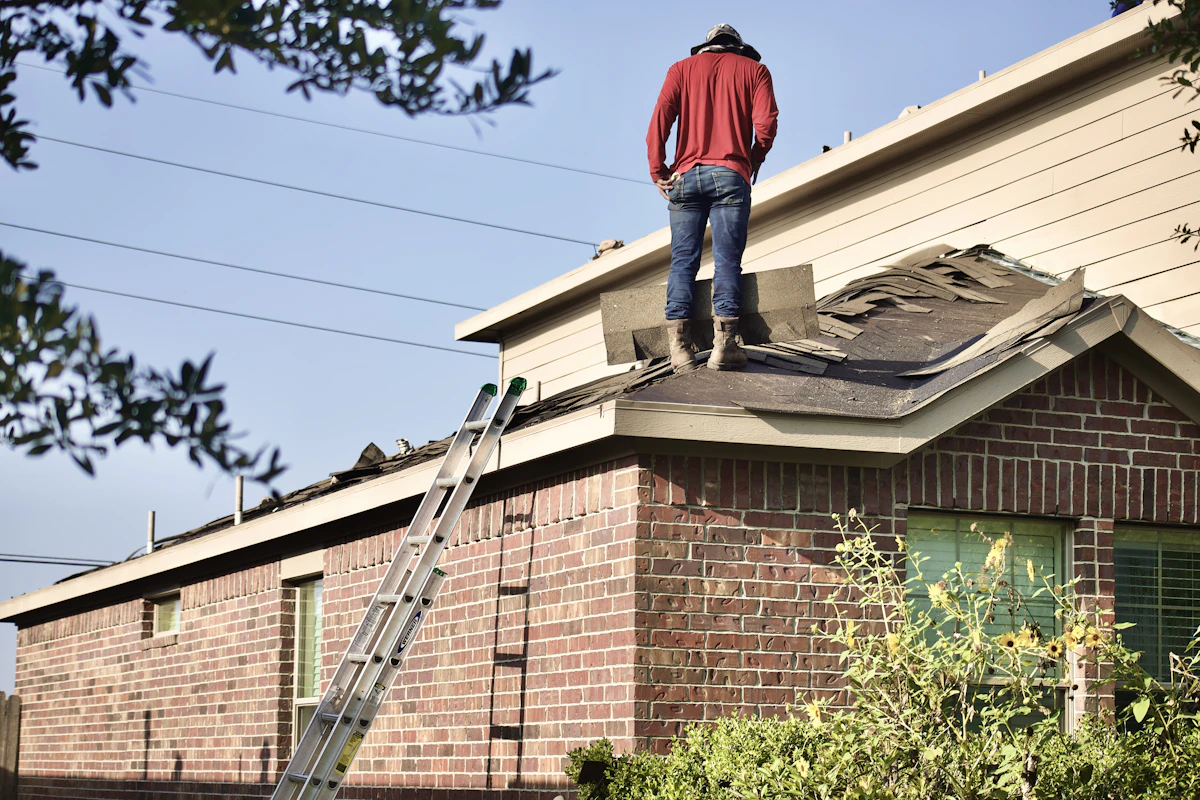
A new roof is one of the largest investments you will make in a home or commercial building, and most of what decides how long it lasts is hidden under the shingles. Our roof installation work across New Jersey, New York and Pennsylvania focuses on the parts you never see: a sound deck, proper underlayment, correct flashing and balanced ventilation.
When a full replacement makes sense
Repairs are usually the better value until the roof reaches the end of its life. A replacement is worth considering when you see:
- Shingles that are curling, cracking or losing most of their granules
- Leaks in more than one area, or leaks that return after repairs
- Soft or sagging spots that point to a damaged deck
- A roof that is near or past the expected life of its material
- Two layers of shingles already on the roof, so another overlay is not an option
How we install a new roof
1. Inspection and estimate. We look at the roof surface, attic, ventilation and flashing, then give you a written estimate that lists materials, quantities and what happens if we find rotted decking.
2. Protection and tear-off. We protect landscaping, siding and driveways, then remove the old roof down to the deck so nothing is hidden under the new system.
3. Deck repair. Any soft or rotted sheathing is replaced before anything new goes on. Skipping this step is the most common reason a new roof fails early.
4. Underlayment and flashing. Ice and water shield goes along eaves, valleys and penetrations, with synthetic underlayment across the field. Chimneys, walls, skylights and vents get new flashing rather than reused metal.
5. Roofing and ventilation. The roofing material is installed to the manufacturer's instructions, with ridge and soffit ventilation balanced so the attic can breathe.
6. Cleanup and walkthrough. We remove debris, run a magnetic sweep for nails and walk the job with you before we call it finished.
Choosing a roofing material
Architectural asphalt shingles are the most common choice for homes in our area because they balance cost, appearance and durability. Standing-seam metal costs more up front but handles snow and wind well and lasts longer. Low-slope sections, porches and commercial roofs usually need a membrane system such as TPO, EPDM or modified bitumen instead of shingles. We will explain the options that actually fit your roof pitch, budget and building.
What affects the cost
- Roof size, pitch and how many valleys, dormers and penetrations it has
- The material you choose and the number of old layers to remove
- How much decking needs to be replaced once the old roof is off
- Access, height and local permit requirements
Most residential replacements take one to three working days once materials are on site, depending on size and weather. Commercial roofs are scheduled around your operations.
Permits and warranties
Many towns in New Jersey, New York and Pennsylvania require a permit for a roof replacement. Where one is needed, we take care of the application and inspections. Manufacturer warranties depend on the product line and on correct installation; we will tell you exactly which warranty applies to the system we quote and put our workmanship terms in writing.