Do You Need a Permit? Renovation Permits and Contractor Licenses in NJ, NY and PA
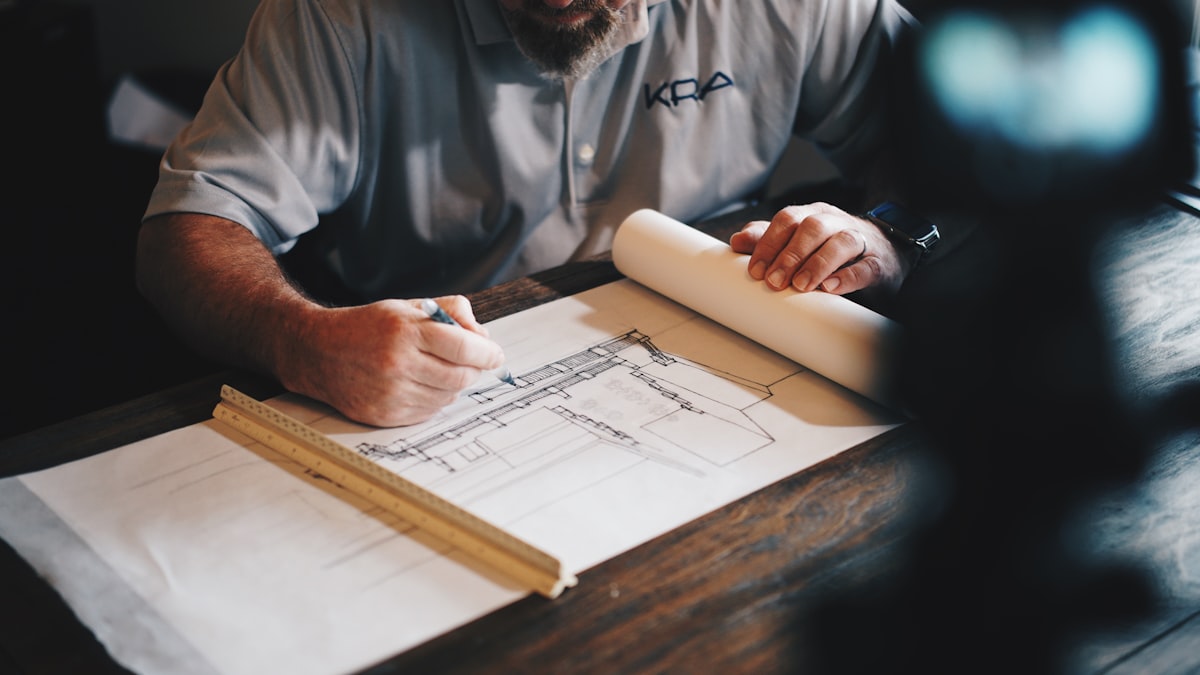
Permits and contractor licenses are not just paperwork. They protect your safety, your insurance coverage and your ability to sell or refinance the property later. The rules differ between New Jersey, New York and Pennsylvania, and even between neighbouring towns, which is why so many homeowners are unsure what applies to them. This guide explains the basics in plain English and shows you how to check that a contractor is properly licensed or registered.
This article is general information, not legal advice. Rules change and vary by municipality, so always confirm with your local building department.
In this guide:
- What usually needs a permit
- New Jersey
- New York: NYC, Long Island, Westchester and upstate
- Pennsylvania, Philadelphia and Pittsburgh
- What inspections look like
- Homeowner checklist before work starts
- What happens if work is done without a permit
- What your contract should include
- Frequently asked questions
What usually needs a permit
Every jurisdiction draws the lines a little differently, but as a general guide:
Usually needs a permit:
- Structural work, including removing or altering load-bearing walls, beams or columns
- Additions, new decks and porches, and finishing a basement or attic as living space
- New or relocated plumbing, gas lines and water heaters
- New electrical circuits, service upgrades and panel replacements
- HVAC system installation or replacement
- Roof replacement in many municipalities
- New or enlarged window and door openings
Often does not need a permit (but check locally):
- Painting, wallpaper and most flooring
- Replacing cabinets and countertops without changing plumbing or electrical
- Small repairs and like-for-like replacements of fixtures
New Jersey
New Jersey has a statewide Uniform Construction Code (UCC), administered by the Department of Community Affairs and enforced by each municipality's construction office. You or your contractor apply to the local construction official, and inspections are scheduled at required stages. The UCC separates "ordinary repairs", which typically do not need a permit, from "minor work" and larger projects that do.
Contractors who perform home improvements in New Jersey must be registered with the New Jersey Division of Consumer Affairs, and the registration number is expected to appear on contracts and advertising. Home improvement contracts above a modest dollar threshold must be in writing, and consumers have a right to cancel within a short period after signing. You can look up a contractor's registration through the NJ Division of Consumer Affairs, and find construction code information through the NJ Department of Community Affairs.
New York: NYC, Long Island, Westchester and upstate
New York City
In the five boroughs, building, plumbing and electrical work is permitted through the NYC Department of Buildings. Plumbing and gas work must be performed by a licensed master plumber and electrical work by a licensed electrician. Contractors doing residential home improvement work in the city need a Home Improvement Contractor license from the NYC Department of Consumer and Worker Protection, and you can check a license online. Co-op and condo buildings add their own approval process on top of city permits.
Long Island and Westchester
There is no single statewide home improvement license in New York, but several counties license contractors themselves. Nassau County, Suffolk County and Westchester County each require home improvement contractors to hold a county license. Building permits are issued by the local town, city or village building department. If you are in Long Island or Westchester, check both the county license and the local permit rules.
The rest of New York State
Outside these areas, permits come from the town, village or city building department, which enforces the state's Uniform Code. Licensing requirements for contractors vary by locality.
Pennsylvania, Philadelphia and Pittsburgh
Pennsylvania has a statewide Uniform Construction Code (UCC), enforced by municipalities or third-party inspection agencies they appoint. Under the Home Improvement Consumer Protection Act, most contractors who perform home improvements must register with the Pennsylvania Attorney General, include the registration number on contracts and advertising, and use written contracts that meet the Act's requirements, including the homeowner's right to cancel. You can search registrations through the Pennsylvania Office of Attorney General.
Large cities have their own departments. In Philadelphia, permits and contractor licenses are handled by the Department of Licenses and Inspections. In Pittsburgh, the Department of Permits, Licenses, and Inspections issues building permits.
What inspections look like
Permits come with inspections at set stages, so an inspector can see work before it is covered up. For a typical renovation the sequence looks like this:
- Footing or foundation inspection for additions and decks, before concrete is poured
- Rough inspections of framing, plumbing, electrical and mechanical work, while walls are still open
- Insulation inspection in some jurisdictions, before drywall
- Final inspection when the work is complete, which closes out the permit
Keep copies of the approved permit and the final sign-off with your property records. They are often requested when you sell, refinance or make an insurance claim. If a project is left with an "open" permit that was never closed out, it can delay a sale until it is resolved.
Homeowner checklist before work starts
- Verify the contractor's license or registration on the official lookup for your area
- Get a certificate of insurance sent directly from the contractor's insurer
- Confirm in writing who is pulling the permits and when they were approved
- Check your co-op, condo or HOA rules and get any approvals you need
- Tell your homeowner's insurance company about major work if your policy requires it
- Agree on a payment schedule tied to completed stages of the work
- Take photos of the existing condition of floors, walls and landscaping
What happens if work is done without a permit
- Stop-work orders and fines if the work is discovered.
- Problems selling or refinancing. Buyers' inspectors and lenders may ask for permits and final approvals.
- Insurance issues. Damage linked to unpermitted work can complicate a claim.
- Costly fixes. You may have to open finished walls so an inspector can see the work, or redo it.
A contractor who suggests skipping permits to save money is a red flag. See our guide on how to choose a licensed general contractor for other warning signs.
What your contract should include
- The contractor's legal name, address and license or registration number
- A detailed scope of work, with materials and product lines
- Who obtains permits and schedules inspections
- Start and completion dates, or an estimated timeline
- Total price and a payment schedule tied to progress, not paid largely up front
- How change orders and unexpected conditions are priced and approved
- Warranty terms and proof of liability insurance and workers' compensation coverage
- Your right to cancel, where state law provides one
Frequently asked questions
Who should pull the permit, me or the contractor?
Usually the contractor, because they are responsible for the work meeting code. Be cautious if a contractor asks you to pull a permit in your own name as an owner-builder.
Do I need a permit to replace my roof?
Many municipalities in NJ, NY and PA require one for a full replacement, while small repairs often do not. Check with your building department. Our roof replacement cost guide covers what else to plan for.
Do I need a permit to finish my basement?
Generally yes, because it involves framing, electrical work and often plumbing. See our basement finishing guide for egress and ceiling height rules.
How do I check a contractor's license?
Use the official lookup tools for your area: the NJ Division of Consumer Affairs, the NYC Department of Consumer and Worker Protection, your county consumer affairs office on Long Island or in Westchester, or the Pennsylvania Attorney General.
Work with a contractor who handles permits for you
On our projects we confirm what your municipality requires, file the permits, schedule the inspections and keep the records for you. Explore our renovation, kitchen remodeling and residential construction services, or request a free estimate.
Comments (0)
Be the first to comment.